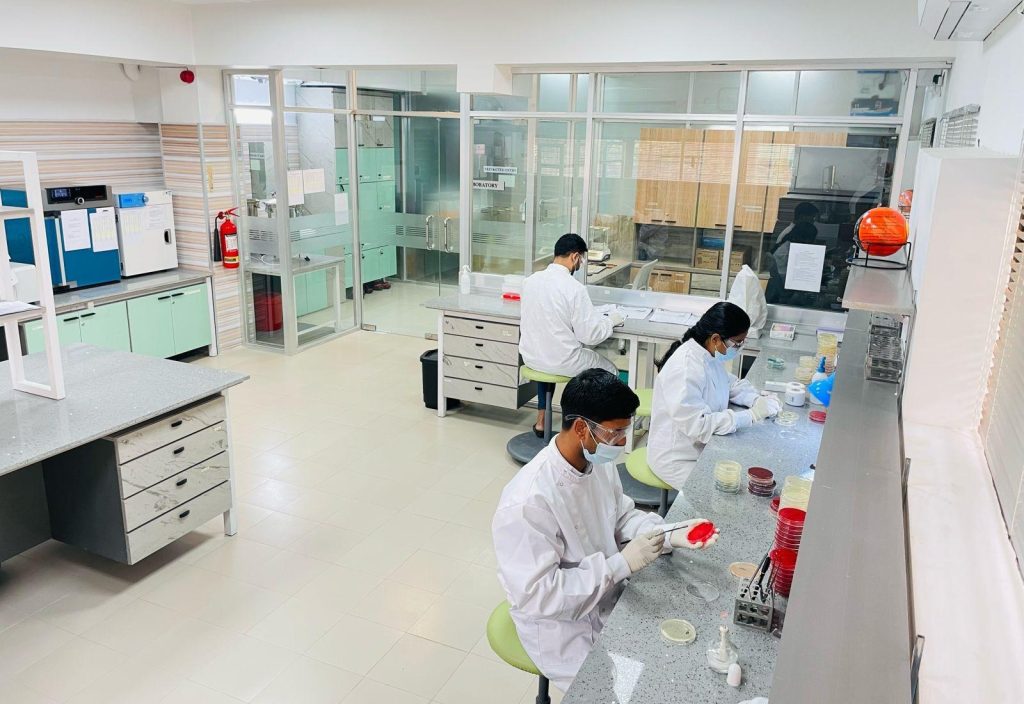
To strengthen Bangladesh’s health system through high-quality, context-specific research that advances the prevention, diagnosis, and management of infectious diseases and antimicrobial resistance. By building research capacity within the medical sector, integrating clinical and laboratory science, and fostering clinician-led, solution-oriented inquiry aligned with global standards, we generate evidence that supports national and global antimicrobial resistance action plans, informs health policy, and improves patient outcomes and health system resilience in pursuit of Sustainable Development Goal 3.
Our Vision
To contribute to the development of a resilient, equitable, and evidence-driven health system in Bangladesh in which high-quality, locally generated research informs clinical practice and national health policy.
The platform seeks to institutionalize a strong research culture within the medical sector by strengthening research capacity, supporting clinician-led innovation, and embedding global standards of scientific rigor into routine healthcare delivery. Through integrated clinical and laboratory research, strengthened surveillance aligned with WHO’s Global Antimicrobial Resistance and Use Surveillance System (GLASS), and systematic knowledge translation, the initiative aims to reduce the burden of infectious diseases and antimicrobial resistance. By informing antimicrobial stewardship, infection prevention and control, and evidence-based guideline development, the platform supports progress toward Universal Health Coverage (UHC) by improving the quality, safety, and effectiveness of healthcare services, particularly for vulnerable populations, while enhancing long-term health system resilience.
Our mission is to transform the way society understands and addresses antibiotic resistance, ensuring a healthier future for generations to come. We combine cutting-edge research with practical solutions that influence healthcare, industry, and policy on a global scale.
Oxford Bangladesh Sepsis Research is an institutional collaborative platform formally established in 2022 with strategic funding and technical support from the University of Oxford. The initiative aims to strengthen national research capacity and promote collaborative clinical research across Bangladesh’s leading academic medical institutions, with a particular focus on sepsis and antimicrobial resistance.
The platform was founded under the leadership of the then Director of Dhaka Medical College Hospital (DMCH), Brigadier General Nazmul Haque, and leadership continues under Brigadier General Md. Assaduzzaman. Since its inception, the initiative has prioritized high-quality, policy-relevant clinical and laboratory research aligned with national health priorities.
Under the foundational guidance of Professor Timothy Walsh, and with ongoing scientific leadership from Dr. Refath Farzana, the platform has established robust laboratory infrastructure and standardized research systems. These efforts have enabled clinicians and microbiologists to conduct high-quality, locally relevant research aligned with international standards.
In close collaboration with the Ministry of Health and Family Welfare, DMCH serves as the lead institution. The governance framework designates the Director (by post) of DMCH as the Country Lead, with Directors of collaborating hospitals serving as Site Leads. The Departments of Microbiology at each institution function as core laboratory partners, led by the Head of Microbiology (by post). Current collaborating institutions include Mymensingh Medical College Hospital, Rangpur Medical College Hospital, and Khulna Medical College Hospital.
The platform has evolved beyond time-bound project activities to establish a sustainable, integrated research ecosystem linking clinical departments and microbiology laboratories. While initially supported by the University of Oxford, the initiative is committed to long-term sustainability and is actively pursuing diverse national and international funding opportunities to expand research capacity and generate evidence-based solutions to inform healthcare policy and improve patient outcomes in Bangladesh.
Learn more about our areas of focus and research capabilities across our teams.
Stay Connected with us
At the Oxford Bangladesh Sepsis Research group, our strength lies in collaboration. By staying connected, you become part of a global network dedicated to improving sepsis outcomes through innovative research, and clinical excellence. Whether you are a researcher, healthcare professional, or community member, your engagement helps us bridge the gap between evidence and life-saving action. Follow our progress, participate in our events, and help us transform sepsis care in Bangladesh and beyond.